Our Story
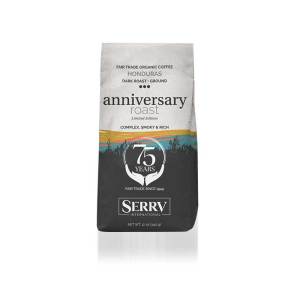
From a small group of church relief workers helping refugees rebuild after World War II, SERRV has grown into a $9.5 million fair trade network connecting thousands of artisans in developing countries with customers and volunteers across the United States.
As Sunil Chitrakar, director of SERRV's partner Mahaguthi in Nepal, said, "Longer than many of our lives, SERRV has served humankind!...SERRV made history; becoming one of very few organizations who served more than five decades for the artisans and producers around the world. It started as an idealistic dream to help the poor and turned into Fair Trade."

SERRV's mission is to eradicate poverty wherever it resides by providing opportunity and support to artisans and farmers worldwide.
We have adopted a set of Core Organizational Values that guide all of our decisions.
Improved Quality of Life, Social and Economic Justice, and Self-Determination for Low-Income Artisans and Farmers in Developing Regions
Partnership and Collaboration
Communication, Transparency and Trust
Sustainable Development
Culture, Craft and Tradition
Quality
Education
Volunteerism
Frequently Asked Questions
What is SERRV? SERRV is a nonprofit fair trade and development organization. Our mission is to eradicate poverty wherever it resides.
What does SERRV stand for? SERRV is not an acronym. It is a word on its own, with a twist on the idea of service. SERRV is an act of enrichment. What we do is a way of making the world a better place for all of us. SERRV originally stood for "Sales Exchange for Refugee Rehabilitation and Vocation" but our mission has expanded greatly since our beginning.
Does SERRV have a religious affiliation? We are an independent non-affiliated nonprofit, although we were originally a service program of the Church of the Brethren, a protestant Christian denomination. We have partnership programs with Catholic Relief Services and Lutheran World Relief and work closely with a variety of other denominations.
What does it mean to pay fairly for products? We purchase our products at prices which are set by our artisan and farmer partners. We assist younger groups to learn costing that takes into account all the time and materials used in the process. We strive to ensure all of our partners are making a living wage. With the product mark-up, we pay for international shipping, customs fees, warehouse rent, product development and other forms of assistance, marketing, customer service, fulfillment, discounts for resellers and more.
What is fair trade? All of the items we carry are fairly traded, which means that we participate in a system that not only aims to pay fair wages, but also creates long-term, direct trading relationships based on dialogue, transparency, equity and respect.
Do fair trade goods cost more than conventional goods? They don't have to! Fair trade products are usually priced competitively in the market. Because they are handcrafted, they may cost more than some mass-produced, lower quality items that you can buy elsewhere.
How can an artisan or farmer group work with SERRV? Learn more about our process and requirements here.
|