


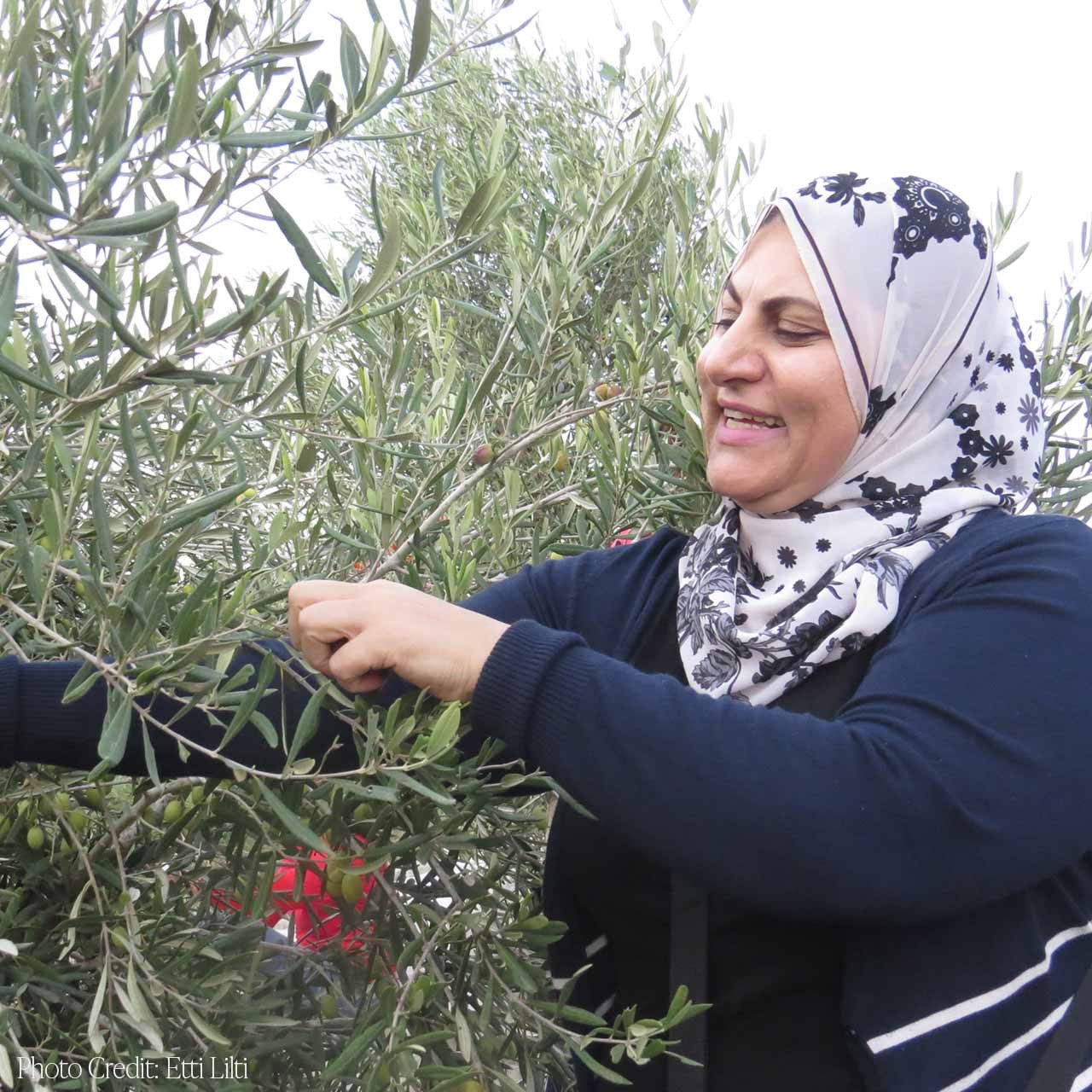
This traditional spice mixture with sea salt can be used as a bread dip with olive oil, or on meats, vegetables, or hummus. Each purchase supports land preservation, Arab farmers in Israel, Arab and Jewish women workers, and a model for peace between Arabs and Jews in Israel and the West Bank. 2.82 oz.
Ingredients:
dried za'atar leaves, sesame seeds, sumac, olive oil, sea salt. Contains sesame. May contain traces of gluten (wheat), peanuts, soy, nuts (hazelnut, almond, cashew, coconut, pine nut, walnut, pecan, brazil nut, pistachio), lupine, celery, and mustard.
Frequently Asked Questions About the Traditional Za'atar Mix
-
What is za'atar?
Za'atar is a traditional Middle Eastern spice blend built around the dried wild herb of the same name, combined with toasted sesame seeds and tart sumac. It is used across the Levant as an everyday seasoning on bread, vegetables, meat, and yogurt. SERRV's jar is 2.82 ounces and $8.95.
-
What is in SERRV's za'atar, and what does it taste like?
The ingredients are dried za'atar leaves, sesame seeds, sumac, olive oil, and sea salt. The flavor is herbal and savory in the way oregano or thyme is, with nuttiness from the sesame and a bright, lemony tang from the sumac. It is aromatic rather than hot, so it adds depth without heat.
-
How do you use za'atar?
Treat it as a finishing seasoning. Sprinkle it over hummus and labneh, toss it with roasted vegetables or potatoes, rub it on chicken, lamb, or fish before roasting, stir it into yogurt for a quick sauce, or scatter it over eggs, avocado toast, or flatbread before it goes in the oven. Blended into olive oil it becomes the bread dip the mix is best known for.
-
Does za'atar contain allergens?
Yes, it contains sesame. It may also contain traces of gluten (wheat), peanuts, soy, tree nuts including hazelnut, almond, cashew, coconut, pine nut, walnut, pecan, brazil nut, and pistachio, as well as lupine, celery, and mustard. Anyone with a sesame or nut allergy should avoid it.
-
How long does za'atar keep?
Za'atar does not spoil so much as fade. The sesame and olive oil in the blend dull over time and the herbs lose their perfume, so the seasoning thins out long before anything goes bad. Trust your nose rather than a date: if the jar no longer smells green and toasty when you lift the lid, the flavor has gone with it. Most cooks who regularly use za'atar spices finish a jar this size in a season or two.
-
Where does SERRV's za'atar come from?
It is blended by Sindyanna of Galilee in northern Israel, in the region where the wild herb has been gathered and dried for generations. Sindyanna is a women-led fair trade organization whose workshops bring Palestinian and Israeli women into skilled paid work side by side, which is rare anywhere in the region, and it is the same partner behind SERRV's organic olive oil.


